
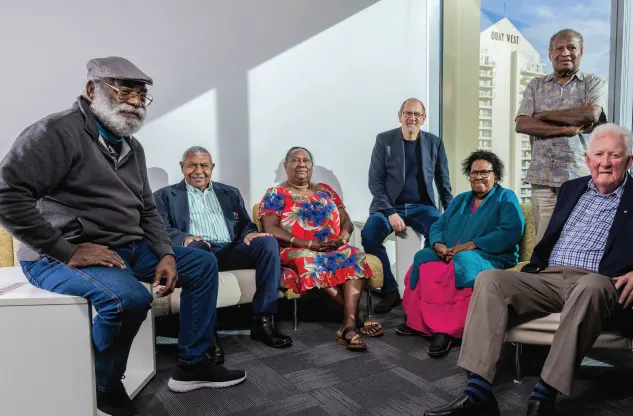
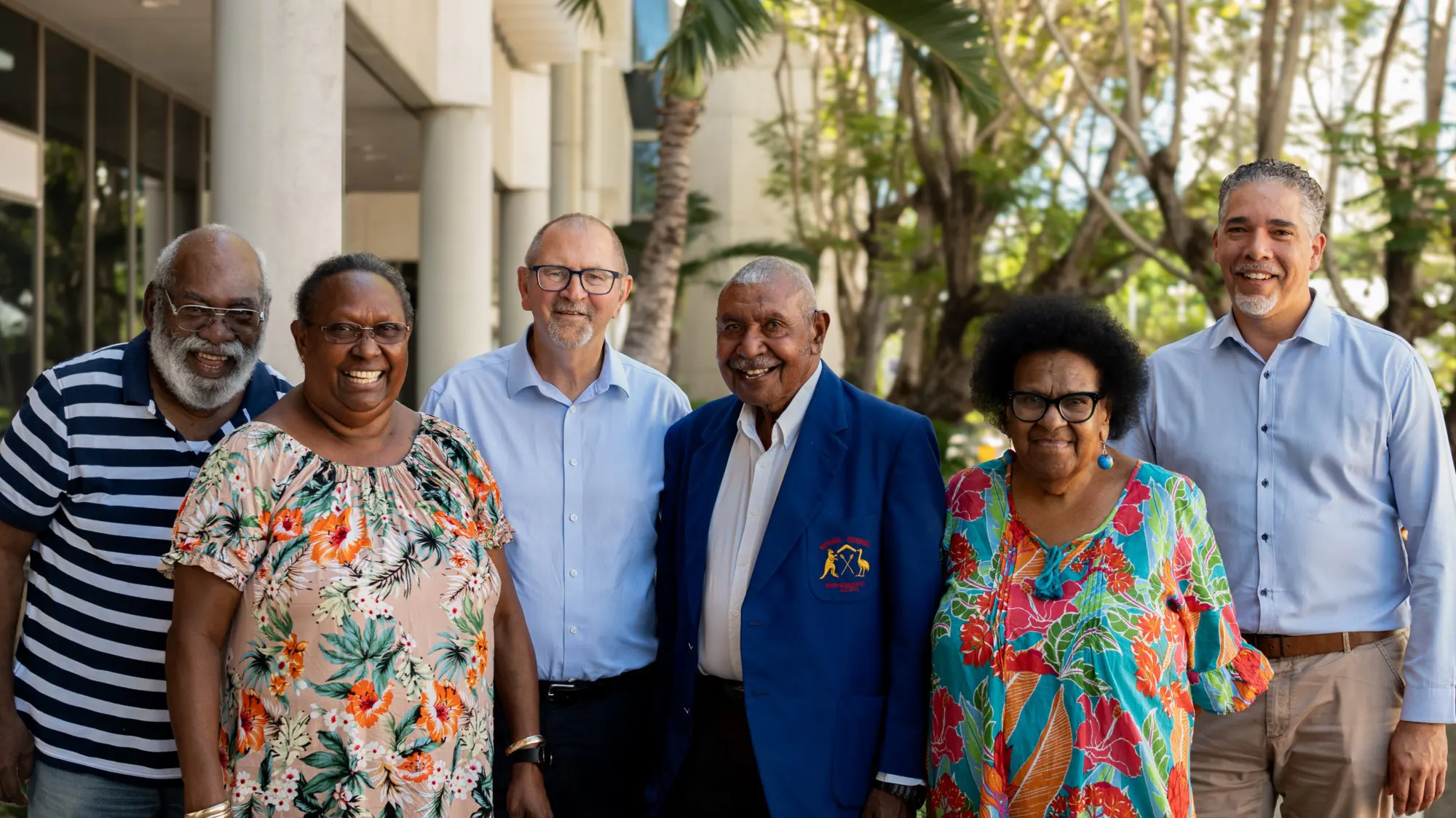
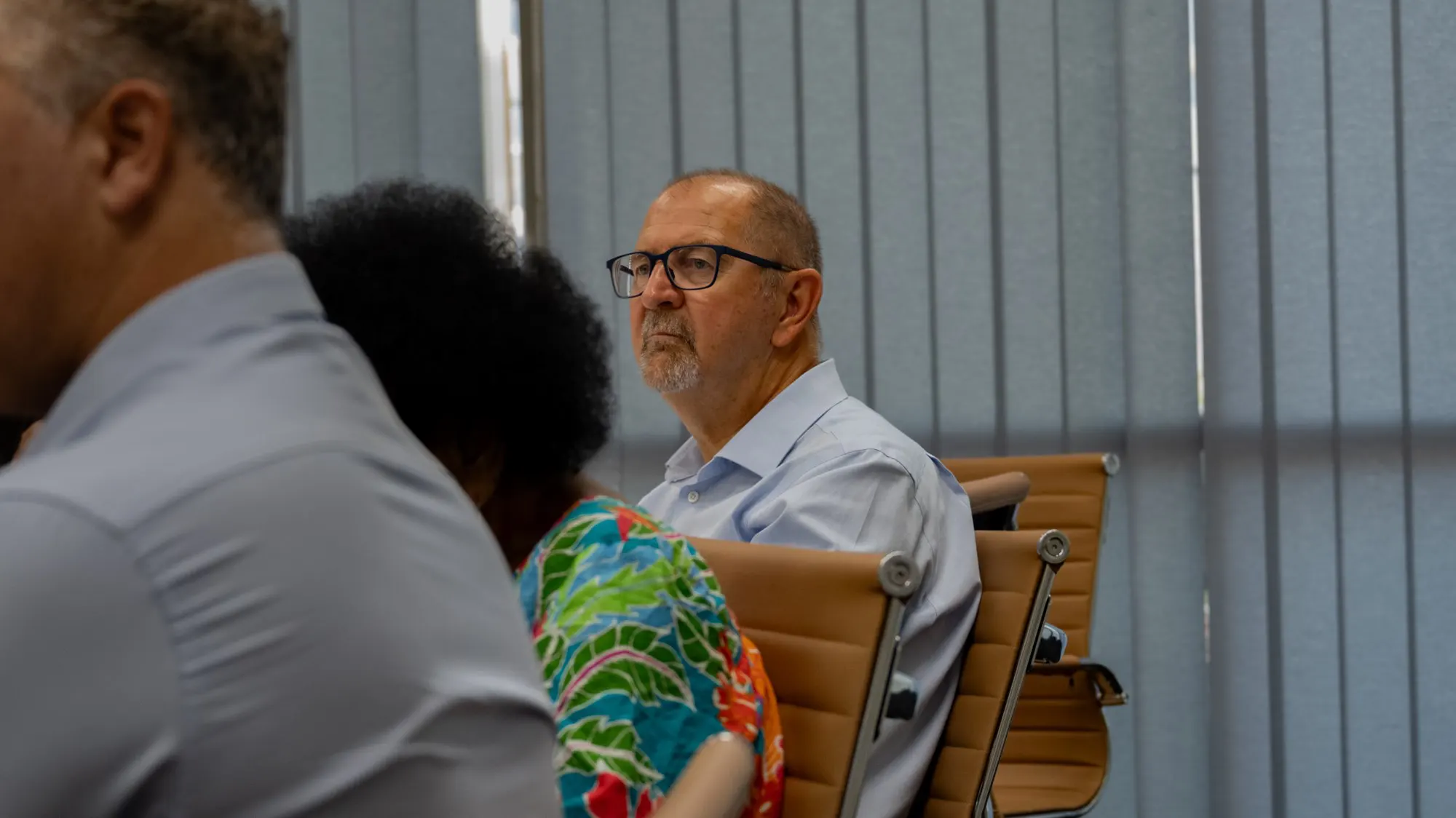
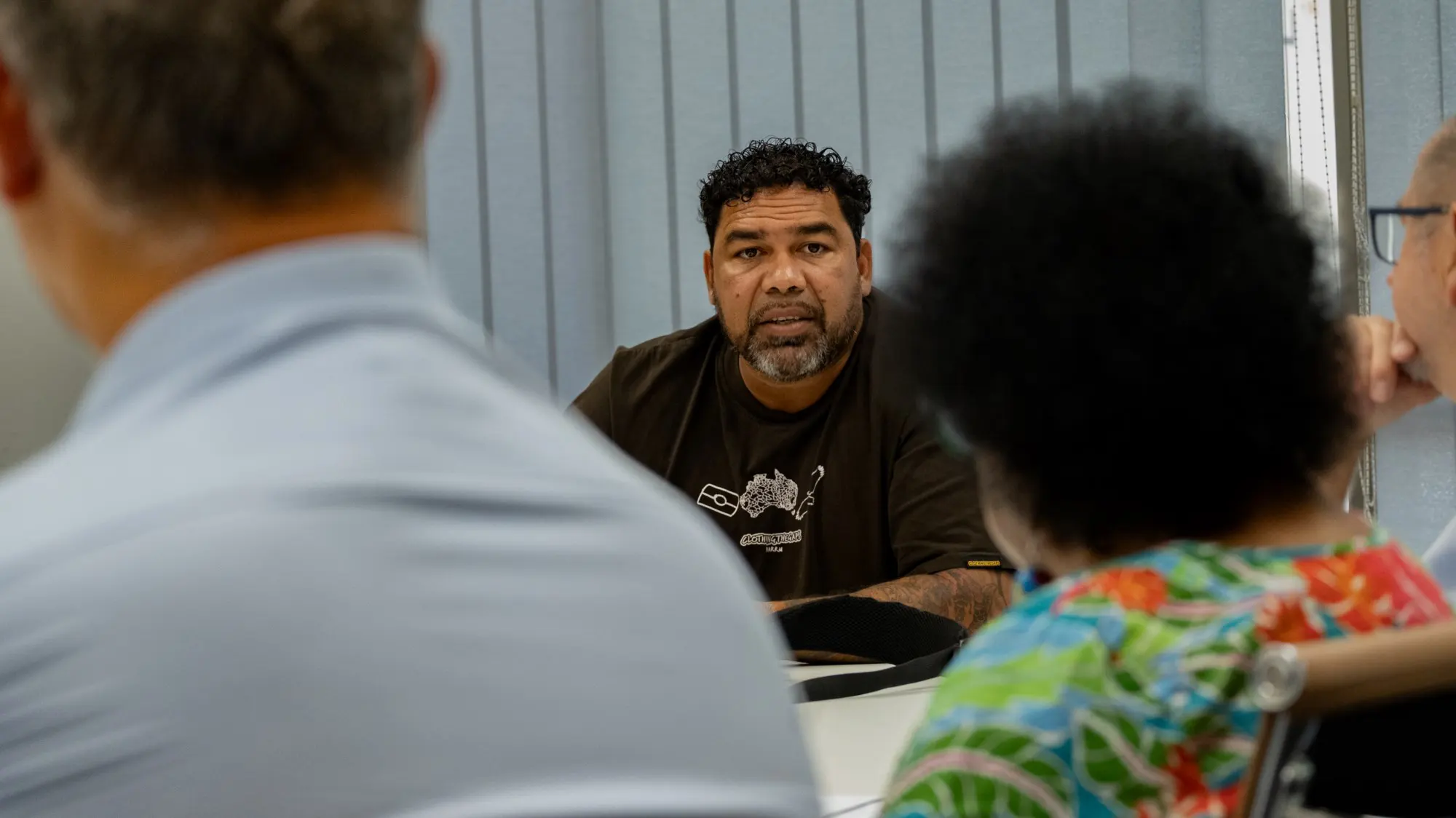
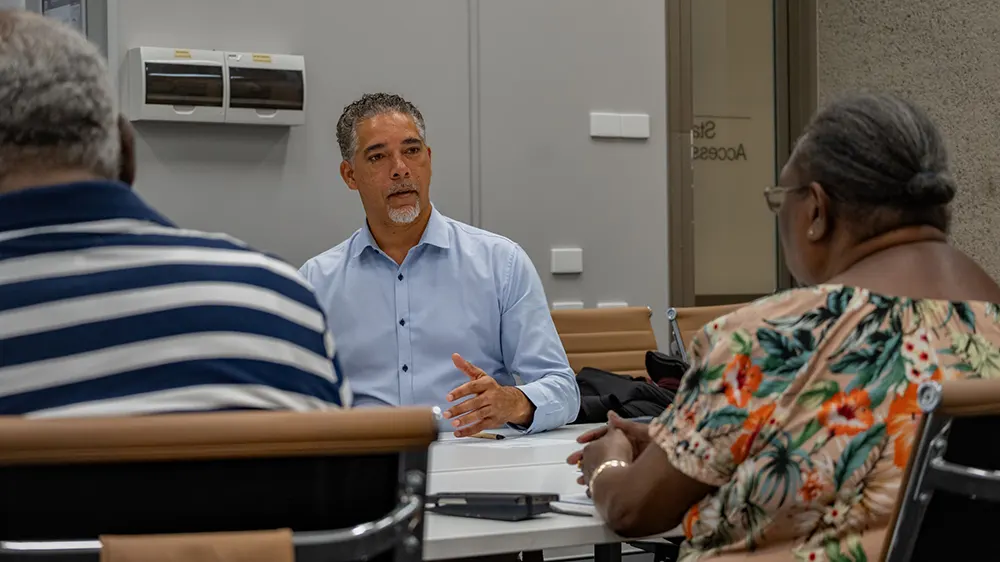
The Kupai Omasker Working Party, an exceptional group of dedicated Torres Strait Islanders and a handful of philanthropists, were the driving force behind the Queensland government’s historic legislation that grants legal recognition to Ailan Kastom child rearing practices. Their tireless advocacy over three decades has culminated in a milestone that not only rectifies a long standing social wrong but also addresses deep-seated structural injustices.
The journey of the Kupai Omasker Working Party is a profound testament to what can be achieved when two cultures work collaboratively towards a common goal. Their efforts embody the spirit of perseverance, unity, and the transformative power of advocacy.
For over thirty years, this small yet formidable group championed the cause, tirelessly working to bring about change that would honour and protect the rich cultural heritage of the Torres Strait Islander community.
Their unwavering commitment and resilience have set a powerful example of how dedicated individuals can influence policy and effect meaningful change. The Working Party’s success in securing the passage of the Meriba Omasker Kaziw Kazipa (Torres Strait Islander Traditional Child Rearing Practice) Act 2020 is a landmark achievement, ensuring that Ailan Kastom child rearing practices are legally recognised and respected. This legislation not only acknowledges the cultural practices of the Torres Strait Islander community but also promotes cultural preservation and the protection of children’s rights within these communities.
The legacy of the Kupai Omasker Working Party is a beacon of hope and inspiration. Their story is a poignant reminder of the impact that dedicated advocacy and crosscultural collaboration can have on society. By bringing together the voices of Torres Strait Islanders and the support of philanthropists, they have paved the way for a more inclusive and just society.
As we celebrate the historic milestone, we honour the vision, perseverance, and tireless efforts of the Kupai Omakser Working Party. Their journey has not only achieved legal recognition for Ailan Kastom child rearing practices but has also strengthened the bonds between cultures and set a precedent for addressing social injustices through collaboration and mutual respect. Their work will continue to inspire future generations to fight for justice, cultural preservation, and the legal recognition of other Indigenous practices and rights.
– Piri Piri Mab, Introduction
The members of the Kupai Omasker Working Party in recognition of the forthcoming implementation of the Meriba Omasker Kaziw Kazipa (Torres Strait Islander Traditional Child Rearing Practice) Act 2020, agreed to partner with the Department of Treaty, Aboriginal and Torres Strait Islander Partnerships, Communities and the Arts.
This arrangement guarantees that cultural imprimatur of Torres Strait Islander traditional child rearing practices can be authenticated by recognised cultural and technical experts who appreciate and acknowledge the importance of the lived experiences of Torres Strait Islander families engaging in this ailan practice/kastom. The groups devotion and enthusiasm to preserve the unprecedented introduction of Ailan Kastom within western legislation is their testament to ensure that Torres Strait Islander children’s cultural and birth identity correspond symmetrically to reflect the cultural gifting of children between/amongst Torres Strait Islander families.
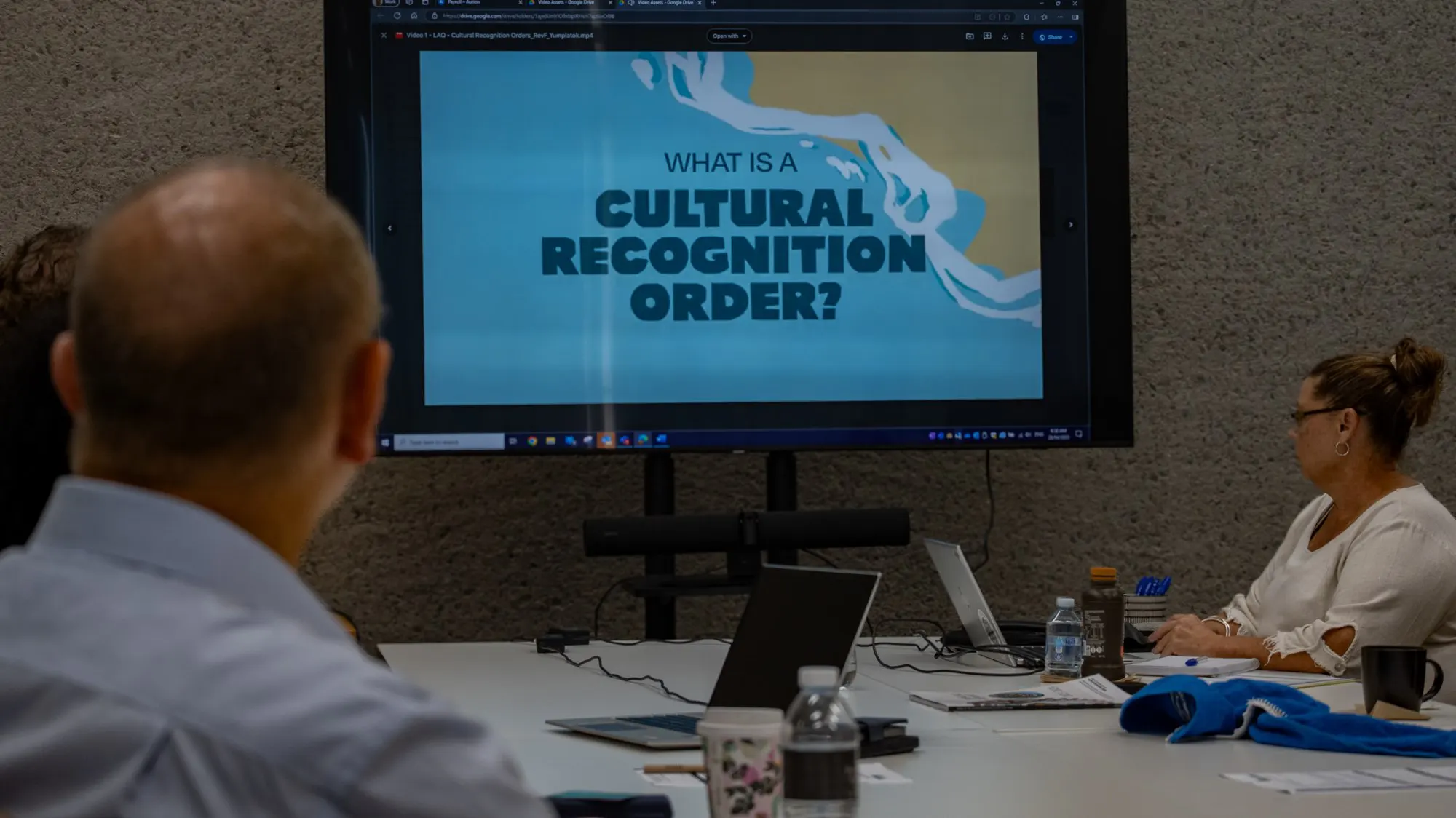
A Cultural Recognition Order is a legal document that transfers a child’s parentage from their birth parents to their cultural parents; legally recognising a child’s cultural parents in Queensland law.
Learn about our inaugural Commissioner,
Proud Meriam and Yidinjdji man C’Zarke Maza and how he helps Zenadth Kes families.
Disclaimer
Every effort has been made to ensure this website is accurate, reliable, and up to date. The Office of the Commissioner Meriba Omasker Kaziw Kazipa will not accept any responsibility for loss caused by reliance on this information and makes no representation or warranty regarding the quality or appropriateness of the data or information. Torres Strait Islander and Aboriginal peoples should be aware that this website may contain images or names of people who have since passed away. The Commission respects the right of families and communities to request the removal from subsequent publications of any image or name that causes distress.
Copyright © The State of Queensland (Meriba Omasker Kaziw Kazipa)
Artist Acknowledgment: Laurie Nona, designer of the OCMOKK logo
The sensitive nature of the information shared on the Meriba Omasker Kaziw Kazipa website requires visitors to be over the age of 18.